


The champagne has been poured, the celebratory posts have gone live, and your funding announcement is making the rounds on LinkedIn. For many founders, that moment is the culmination of months, sometimes years, of pitching, negotiating, and refining the business model.
But here’s what often happens next: Monday morning arrives, the adrenaline fades, and a new reality sets in. You’ve just been entrusted with capital, and investors expect you to deliver.
Whether you’ve raised a $500K seed round or a multi-million-dollar Series A, your first 90 days post-funding are critical. They set the tone for your relationship with investors, shape your company culture, and determine whether you’ll be in the minority of startups that successfully raise their next round.
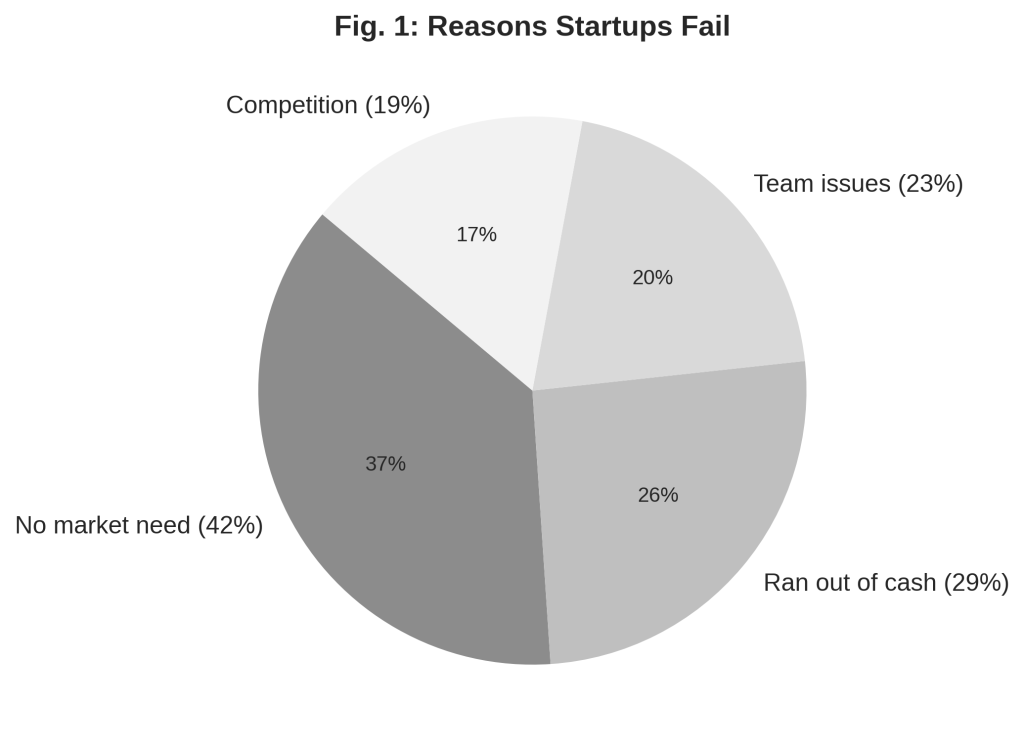
In both the US and EU, the average time between funding rounds is about 18 months, which means every quarter counts. Fail to execute, and you risk joining the 42% of startups that fail because of a lack of market need or the 29% that run out of cash.
The good news? With a clear 30-60-90 day plan, you can turn funding momentum into measurable results, exactly what investors want to see.
Why the 30-60-90 Day Plan Works
In a Speedinvest survey, 49% of European VCs (and a similar percentage of US VCs) said the team’s ability to execute is the most important investment factor. Funding is their vote of confidence, but also a timer.
Recent data underscores the stakes:
-
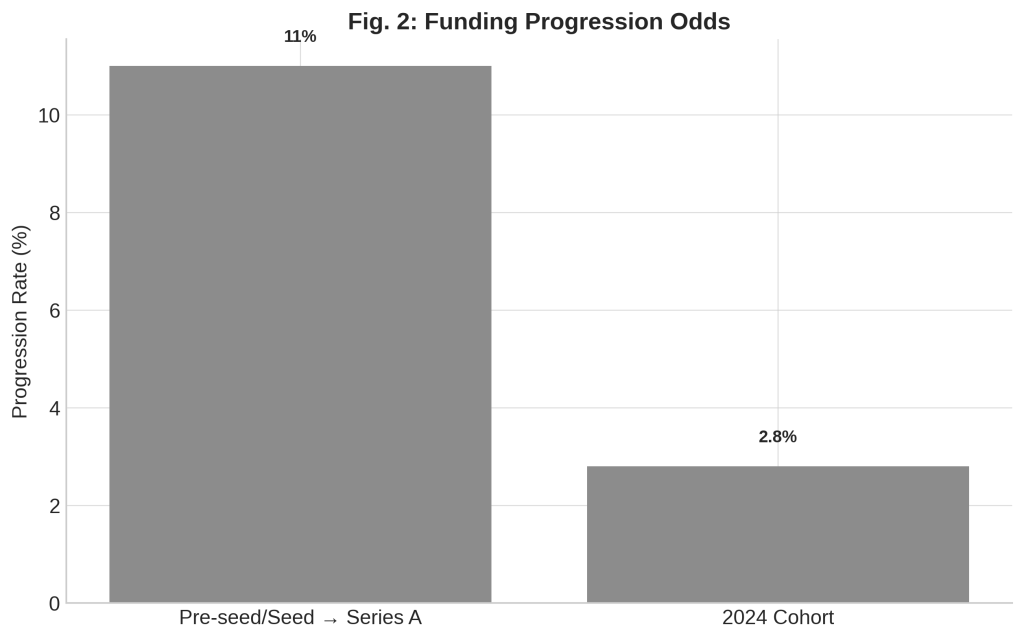
Only 11% of pre-seed/seed startups progress to Series A (2024 cohort: 2.8%).
-
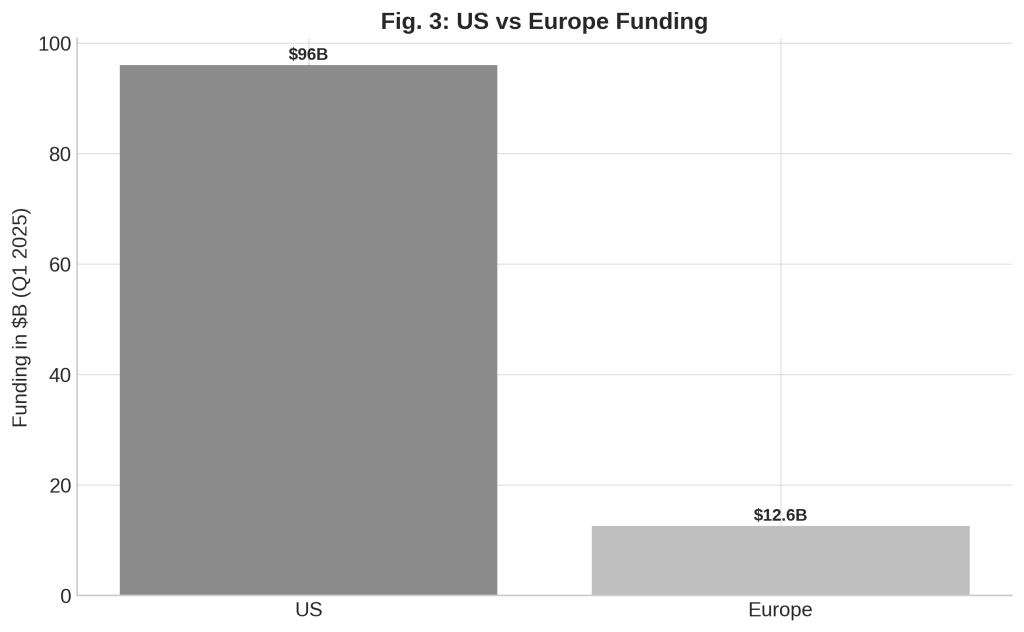
US startup funding rose 54% YoY in Q1 2025 to $96B.
-
Europe’s venture funding plateaued at $12.6B, down to 11% of global share (from 16% last year).
Investors have options. A well-executed first 90 days keeps you at the top of their “future follow-on” list.
The First 30 Days: Build the Foundation
Think of this as the stabilization phase. Before you scale, you need clarity, control, and structure.
1. Establish an Investor Communication Strategy
-
Agree on cadence bi-weekly or monthly updates with KPIs, wins, and challenges.
-
Early transparency builds trust and often leads to faster help when you need it.
2. Secure Governance & Board Structure
-
Schedule your first board meeting within 90 days.
-
Clarify roles and decision-making processes now to prevent friction later.
3. Lock Down Financial Controls
-
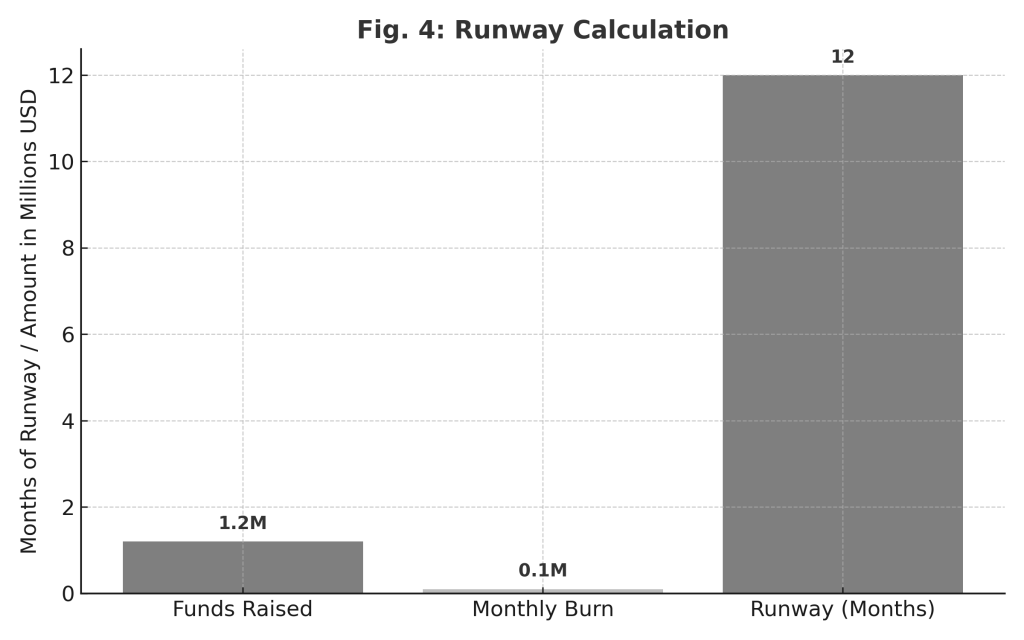
Calculate runway: e.g., $1.2M raise ÷ $100K burn = 12 months runway.
-
Allocate budgets by priority: product, hiring, marketing, operations.
4. Align & Activate Your Team
-
Revisit the mission, set quarterly objectives, and define success metrics.
-
Identify critical hires and use investor networks to fill them.
5. Operational Readiness
-
Finalize legal, admin, and compliance tasks.
-
Document expense approvals and core workflows so scaling doesn’t create chaos.
Days 31-60: Move from Planning to Progress
This is your traction phase turning plans into visible outcomes.
1. Deliver Early Wins
-
Ship promised features or launch pilots within this window.
-
Example: Launch beta by day 60, close first enterprise customer, or secure 3 flagship clients.
2. Use Investor Networks
-
Request warm introductions to potential customers, hires, and partners.
-
Founders who tap investor connections see sales cycles shorten by up to 30%.
3. Establish Metrics Tracking
Metrics prove momentum. Here’s a guide:
| Startup Type | Key KPIs |
|---|---|
| SaaS | MRR, CAC, Net Retention, Churn Rate |
| E-commerce | Conversion Rate, Average Order Value, Return Rate |
| Hardware | Unit Margin, Inventory Turnover, Sales Velocity |
4. Manage Burn While Accelerating
-
Compare budgeted vs. actual spend.
-
Keep burn in check 29% of startup failures happen because the cash runs out before product-market fit.
5. Deepen Customer Feedback Loops
-
Schedule structured interviews and surveys.
-
Avoid the trap of “building in isolation.” Investors value responsiveness to real market data.
Days 61-90: Prove, Present, and Plan Forward
This is the validation phase where you demonstrate results and outline the future.
1. Host Your First Board Meeting
-
Present progress against promises, KPIs, financials, and team updates.
-
Align on next-quarter goals and runway expectations.
2. Demonstrate Traction
-
Share tangible proof: “Monthly active users up 50%” or “$50K MRR achieved in three months.”
-
If you pivoted based on feedback, explain the reasoning investors value agility.
3. Draft a 12-Month Roadmap
-
Identify milestones for the next funding round.
-
Reverse-engineer hiring, marketing, and product plans from those targets.
4. Cement Processes & Culture
-
Document repeatable workflows for hiring, sales, and product development.
-
Celebrate wins to maintain morale 23% of failures stem from team issues.
5. Keep the Communication Loop Alive
-
Summarize board action items and continue regular investor updates.
-
Maintaining visibility keeps you front-of-mind for follow-on funding.
Why This Approach Avoids Common Pitfalls
A strong 30-60-90 day plan addresses the biggest reasons startups fail:
Reasons Startups Fail:
-
42%: No market need
-
29%: Ran out of cash
-
23%: Team issues
-
19%: Competition
By validating market need early, controlling burn, and solidifying team culture, you mitigate all four.
Final Thoughts
The first 90 days after funding aren’t about chasing hypergrowth. They’re about proving you can execute with precision, building investor confidence, and creating a platform for sustainable scale.
At Van Natter Consulting Group, we’ve helped founders transform post-funding chaos into structured growth, aligning every milestone with investor expectations. If you’ve just closed a round, now’s the time to set the right foundation.
 Book a Free Strategy Call with Van Natter Consulting Group and turn your funding into lasting success.