


The Silent Dealbreaker: How Post-Funding Team Dynamics Can Make or Break Your Startup
When venture capital arrives, culture shifts, and 35% of startups don’t survive to see Series B.
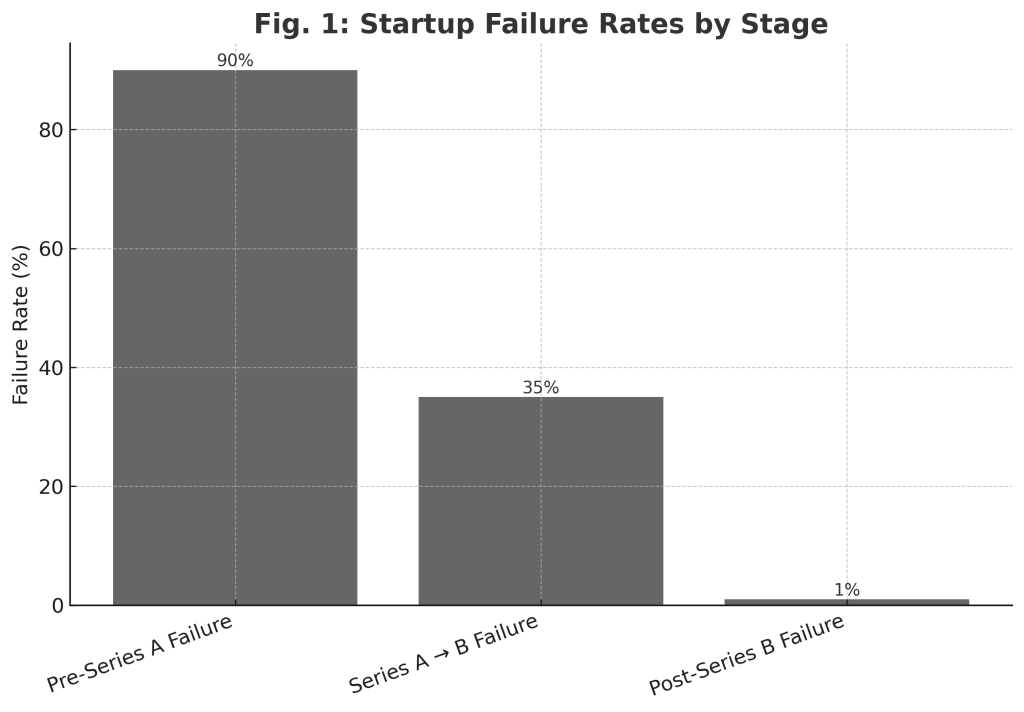
Securing Series A funding is often celebrated as a startup milestone, yet the sobering reality reveals that only 65% of Series A-funded startups successfully reach Series B. This means 35% fail after their first major funding round, not due to market forces or product deficiencies, but because of something far more insidious: the breakdown of internal team dynamics and company culture that inevitably follows external investment.
The statistics are stark. While 90% of all startups fail, the failure rate dramatically drops to just 1% after Series B. This narrow window between Series A and Series B represents the most dangerous phase in a startup’s evolution, where internal dysfunction becomes the silent dealbreaker that destroys promising companies from within.
The Hidden Crisis: Internal Culture Under Investor Pressure
Venture capital fundamentally alters startup DNA. Research shows that 23% of SaaS company failures stem directly from team dynamics issues, while Harvard Business School professor Noam Wasserman’s extensive research reveals that 65% of high-potential startups collapse due to co-founder conflicts.
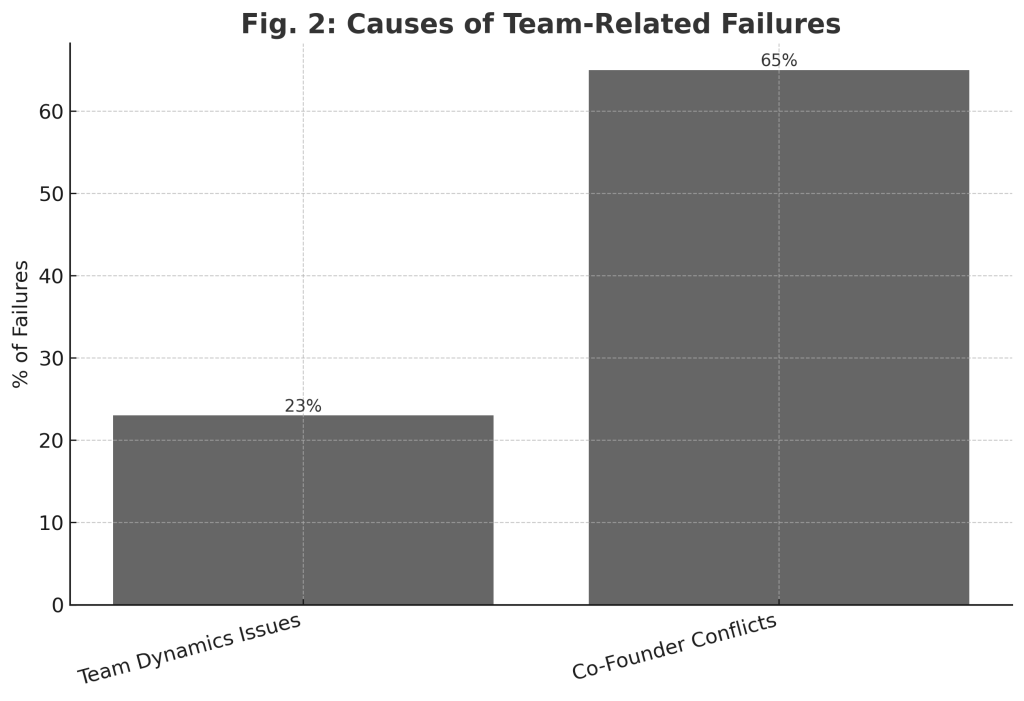
These aren’t just correlation statistics; they represent a systematic problem that emerges when external funding creates internal pressure cookers.
The transition from founder-led to investor-influenced operations creates what experts call “cultural integration challenges.” Private equity and venture capital investments inevitably reshape company culture by introducing new leadership expectations, governance structures, and performance metrics that often clash with the original startup ethos.
The Series A Culture Shock: When Everything Changes Overnight
Post-Series A startups face a fundamental transformation. The median time between Series A and Series B rounds has expanded to 824 days, creating an extended period where startups must navigate unprecedented operational complexity while maintaining their innovative edge.
Data from portfolio management research shows that 56% of venture capitalists rank team dynamics as the top success factor, yet most firms lack systematic approaches to managing the cultural transitions their investments trigger. This creates a dangerous blind spot where venture capital firms have “blackhole-sized” blind spots when it comes to prioritizing culture.
The numbers tell the story: startups with co-founders are 3 times more likely to succeed than solo ventures, but post-funding, these partnerships face unprecedented strain. Founder conflict causes 65% of high-potential startup failures, making interpersonal dynamics more dangerous than market conditions.
The Founder-CEO Dilemma: Leadership in Transition
Founder-CEO transitions represent one of the highest-risk periods for venture-backed companies. Research indicates that companies experience poorer performance when founders depart and later return to the CEO role, suggesting that leadership transitions require careful orchestration rather than reactive management.
The data reveals concerning patterns: 70% of underperforming public companies that replaced their founder-CEOs had gone public via SPAC, while 100% of successful planned CEO successions came from traditional IPOs.
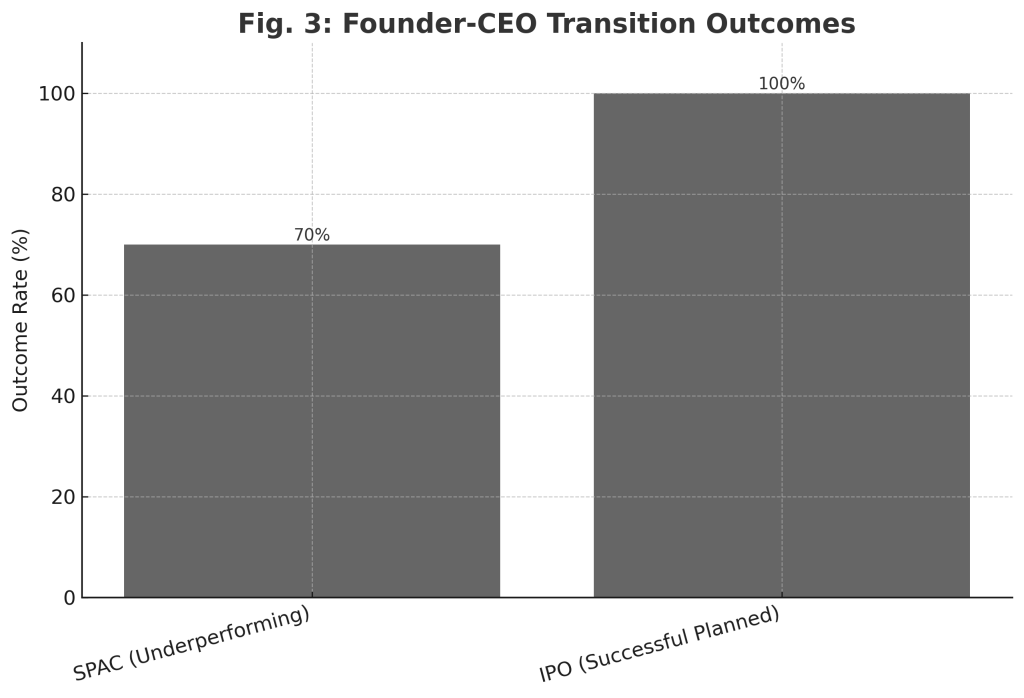
This suggests that funding method and leadership stability are intrinsically linked to long-term success.
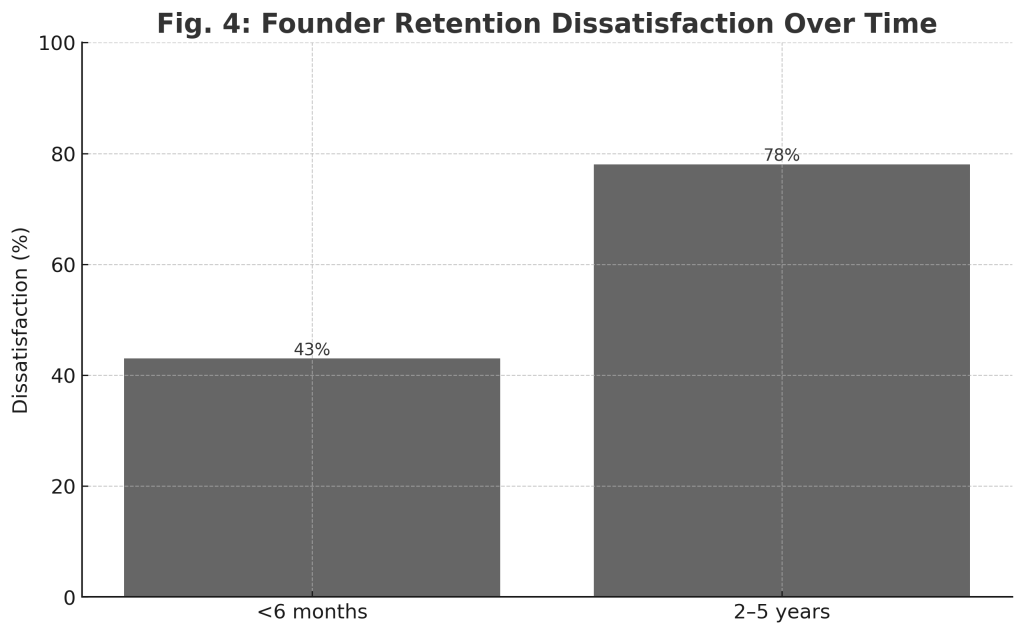
Post-exit dynamics research shows deteriorating relationships over time. Entrepreneurs who remain with new investors report progressively negative experiences regarding feeling valued and appreciated, with dissatisfaction growing from 43% for those staying under six months to 78% for those remaining two to five years.
The Operational Reality: Scaling Culture While Scaling Operations
Series A funding demands operational maturity that most founder teams lack. Research shows that premature scaling kills 70% of startups that grow too quickly before validating their core model. Companies that scale prematurely experience 20 times lower growth rates and are 3 times more likely to never exit.
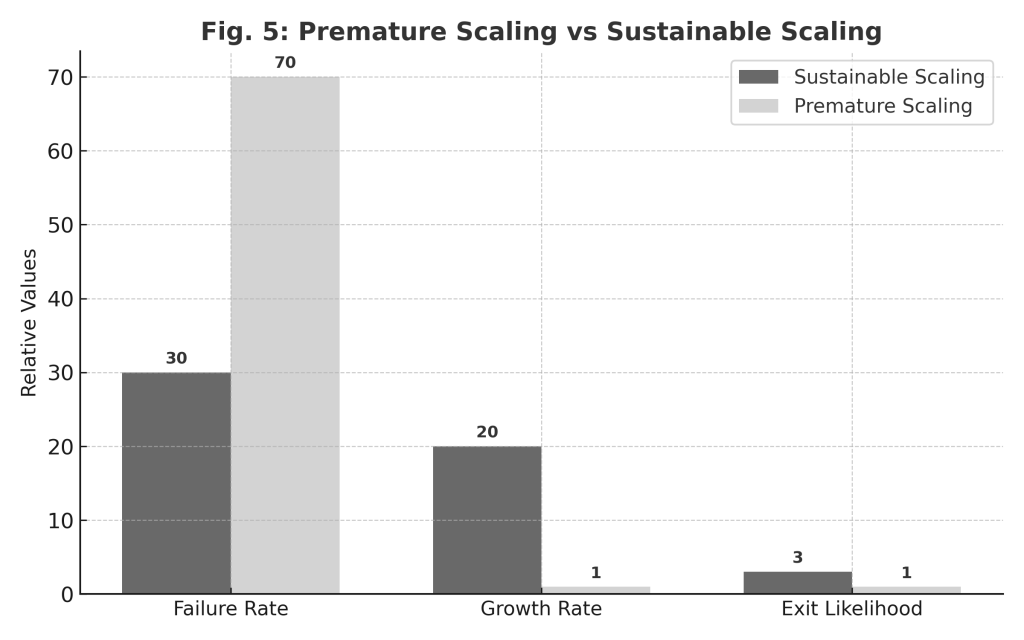
The challenge becomes acute when startup boards start with fewer VC investors than executives, but by three years after first VC financing, boards have more directors. This power shift fundamentally alters decision-making dynamics and can create founder-investor tension that permeates throughout the organization.
Team composition research reveals critical insights: founding teams with high human capital are more likely to survive and grow, but significant attrition occurs over time. Attrition predominantly affects lower human capital founding team members, suggesting that post-funding periods naturally winnow teams but can destabilize organizational culture
The Performance Paradox: When Success Breeds Dysfunction
Venture capital portfolio performance metrics reveal concerning trends. While 75% of venture-backed deals typically fail to return investment, successful portfolio companies often struggle with internal dynamics that their funding success creates.
Research tracking 64 German venture capital portfolio companies found that venture capital firms are not selecting on the right criteria when evaluating founding teams. This suggests a fundamental mismatch between investor evaluation methods and actual success factors, creating post-investment surprises that destabilize team dynamics.
The entrepreneur death research provides stark evidence of founder importance: losing a founding team member due to premature death creates persistently large, negative, and statistically significant impacts on post-entry size, survival, and productivity. For larger startups, the mean effect on sales approaches 60%, highlighting how critical individual founders remain even as companies scale.
The Cultural Integration Challenge: Merging Investor and Founder Values
Private equity investments demonstrate how external capital reshapes internal culture. Successful cultural integration requires shared leadership responsibility, displaying trust, respect, patience, and collaboration, yet many investor-startup relationships lack these foundational elements.
Case study evidence reveals the stakes: Blue Buffalo’s successful $8 billion exit resulted from cultural alignment between founders and Invus Group investors who shared core values around pet nutrition. Conversely, Payless Shoes’ bankruptcy resulted from private equity decisions that clashed with existing company values, demonstrating how cultural misalignment destroys value.
The integration timeline matters: cultural integration can span several months to years, depending on company size, employee buy-in, and initial cultural alignment between investors and founders. Companies that fail to manage this transition systematically face the 35% failure rate that characterizes Series A to Series B mortality.
The Network Effect: How Dysfunction Spreads Throughout Organizations
Team dysfunction cascades throughout startup organizations. Research shows that communication breakdowns among founders create an atmosphere of uncertainty, affecting employee morale, productivity, and overall company culture. When leadership displays conflict avoidance, unequal contributions, or strategic disagreements, these patterns replicate across the organization.
The five dysfunctions model provides a framework for understanding this cascade: lack of trust leads to fear of conflict, which creates lack of commitment, resulting in avoidance of accountability, and ultimately produces lack of results orientation. Each dysfunction builds upon the previous, creating systemic organizational failure.
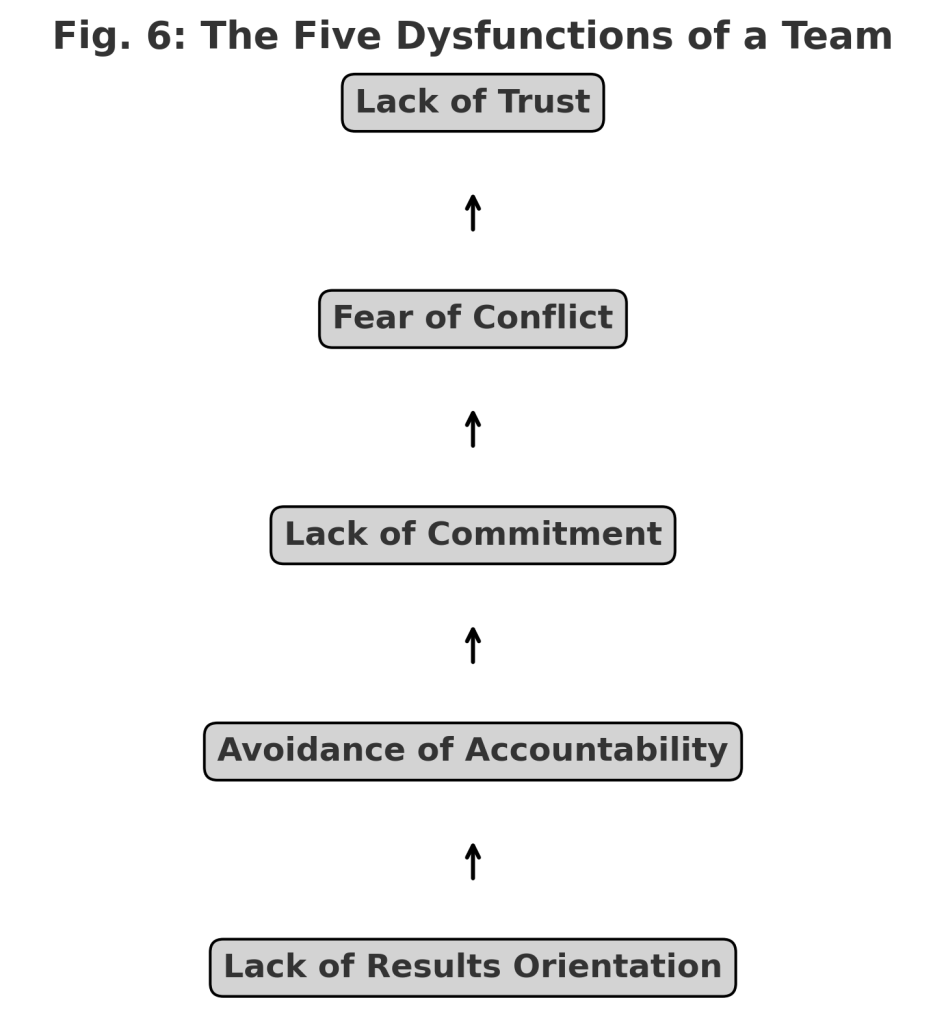
Post-funding environments amplify these dysfunctions. Increased reporting requirements, board oversight, and growth pressure create stress that exposes underlying team weaknesses. Startups that cannot address these systemic issues during their Series A window face the 35% failure rate that characterizes this critical transition period.
Strategies for Survival: Building Anti-Fragile Team Dynamics
Successful post-funding navigation requires proactive cultural management. Research indicates that companies with structured communication practices minimize conflicts and ensure cohesion, while diversity of skill sets and experiences among team members drives adaptability and innovation.
Leadership transition best practices emerge from the data: boards must align on what the business needs in the next CEO, build consensus on ideal leadership profiles, and provide clear decision-making authority transfers. The relationship between the founder and the successor CEO represents the critical success factor.
Portfolio management research reveals successful approaches: regular touchpoints with management teams, proactive risk identification, and transparent communication from the start create more effective oversight. VCs that provide strategic value addition through networking, mentorship, and resource allocation contribute significantly to portfolio company success.
The Path Forward: Culture as Competitive Advantage
The data overwhelmingly demonstrates that post-funding team dynamics determine startup survival. With only 65% of Series A companies reaching Series B, and team issues causing 23% of failures, cultural management represents the highest-leverage intervention for both founders and investors.
The statistics don’t lie: culture isn’t just a nice-to-have; it’s the silent factor that determines which startups survive their success. In the high-stakes world of venture-backed growth, internal dynamics will either propel your company toward the 1% post-Series B failure rate or drag it into the 35% casualty zone. The choice and the work begin the moment funding arrives.
Ready to navigate your post-funding transition successfully?
 Book a Free Strategy Call with Van Natter Consulting Group to develop a systematic approach that ensures your startup joins the 65% that scale from Series A to Series B and beyond.