


Securing a funding round is a milestone worth celebrating. An infusion of capital can make your bank account swell, but scaling a business is far more complex than spending that money on growth. Many founders discover too late that growth after funding brings a series of hidden costs – challenges that don’t show up in a financial model but can drain your runway and derail momentum.
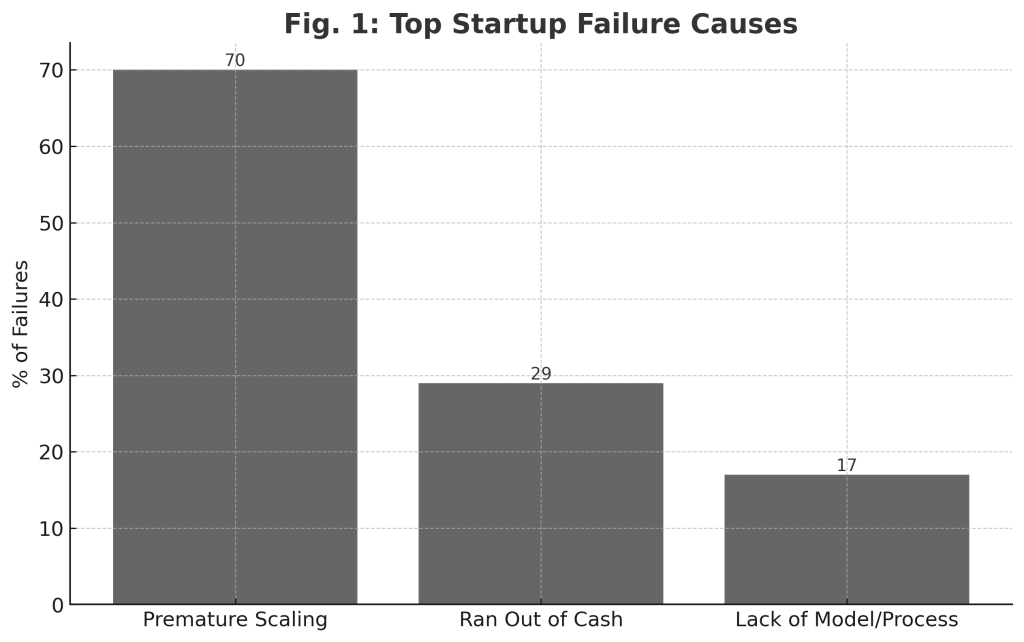
In fact, the Startup Genome Report found that 70% of startups fail due to premature scaling. Growth without preparation isn’t just risky – it’s fatal for most ventures.
This blog explores the seven hidden costs of scaling after funding that every founder should anticipate, with data and strategies to mitigate them.
1. Operational Overload and Complexity
After securing funding, it’s tempting to launch new products, open new offices, and rapidly expand headcount. But the systems and processes that worked for a 20-person team rarely scale to 100. Manual workflows become bottlenecks, communication breaks down, and leadership spends more time firefighting than driving strategy.
Key Data: According to CB Insights, 17% of startups fail due to a lack of the right business model and processes to scale.
How to mitigate: Invest early in scalable systems (automation, SaaS tools, clear reporting structures). Document workflows and establish communication cadences. Build order before adding size.
2. Cultural Drift and Talent Misalignment
A big round usually sparks a hiring spree – but culture doesn’t scale automatically. Rapid recruitment risks bringing in employees who don’t align with company values, causing misalignment and disengagement.
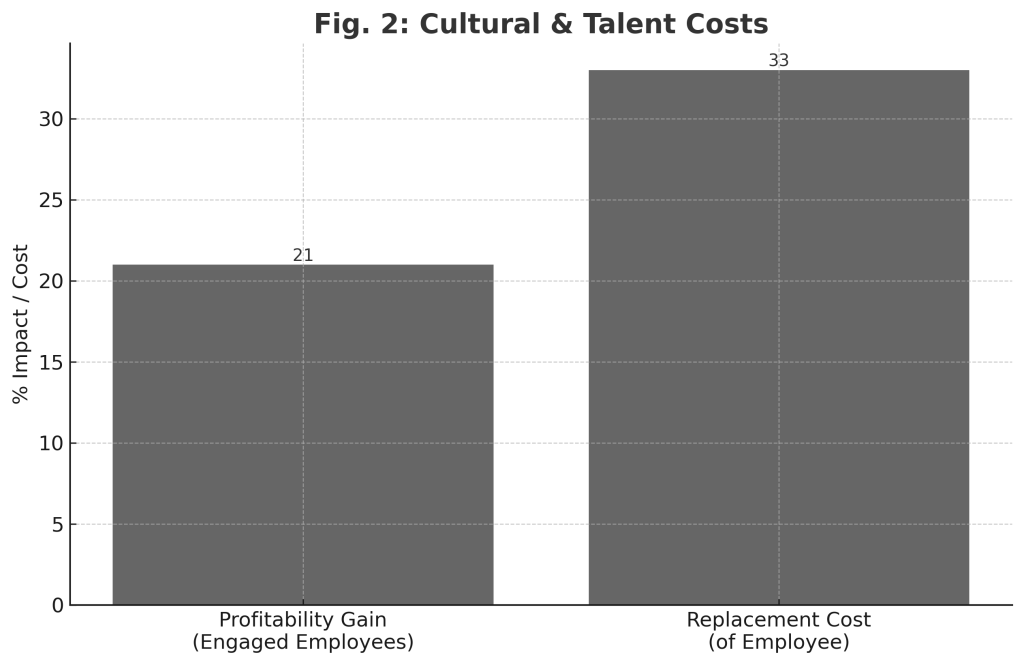
Key Data: Gallup research shows that companies with highly engaged employees are 21% more profitable. On the flip side, replacing an employee costs roughly 33% of their annual salary.
How to mitigate: Hire with culture fit in mind, not just skills. Create strong onboarding processes, reinforce values, and communicate your mission repeatedly as the team grows.
3. Cash Burn and Financial Strain
Ironically, one of the biggest risks after raising money is running out of it. Scaling brings soaring costs-higher salaries, larger offices, bigger marketing campaigns. Founders sometimes mistake revenue growth for financial health, spending ahead of cash inflows.
Key Data: The average Series A startup burns $400K-$500K per month. One study found 29% of startup failures stem from running out of cash.
How to mitigate: Monitor burn rate and unit economics closely. Build financial models with realistic ROI timelines, and treat new capital as finite. Set thresholds for halting spend if returns don’t materialize.
4. Customer Experience and Brand Reputation
A rapid influx of new customers can overwhelm support, QA, or production capacity. Poor service or product issues erode trust quickly, especially when amplified by social media.
Key Data: PwC found that 32% of customers will leave a brand they love after just one bad experience.
How to mitigate: Scale customer support and QA slightly ahead of demand. Establish customer success programs early, and monitor churn and NPS (Net Promoter Score) as closely as you track revenue.
5. Leadership Burnout and Team Turnover
Founders often shoulder intense pressure after a funding round. With higher stakes and investor expectations, long hours and constant stress can lead to burnout – not only for leadership but also for the early team.
Key Data: In one survey, 72% of founders reported mental health impacts such as anxiety or burnout. Team turnover is equally costly: disengaged employees can cost companies 18% of their salary in lost productivity.
How to mitigate: Delegate early, bring in experienced leaders, and normalize sustainable working hours. Invest in wellness initiatives and coaching. Protect your people – because a burned-out team can’t scale a business.
6. Strategic Drift and Loss of Focus
Funding provides options, but chasing every opportunity can dilute strategy. Startups often try to launch multiple products or enter new markets prematurely, creating a fragile business structure.
Key Data: Companies that try to scale without a clear strategic focus are twice as likely to fail compared to those that remain disciplined.
How to mitigate: Anchor every growth decision to your mission. Prioritize initiatives that reinforce your core product and market. Learn to say no—even to attractive opportunities – if they distract from your main path.
7. Compliance and Regulatory Burdens
As startups grow, they face more scrutiny: data privacy laws, labor regulations, tax obligations, and industry-specific compliance. These requirements often emerge suddenly and add significant hidden costs.
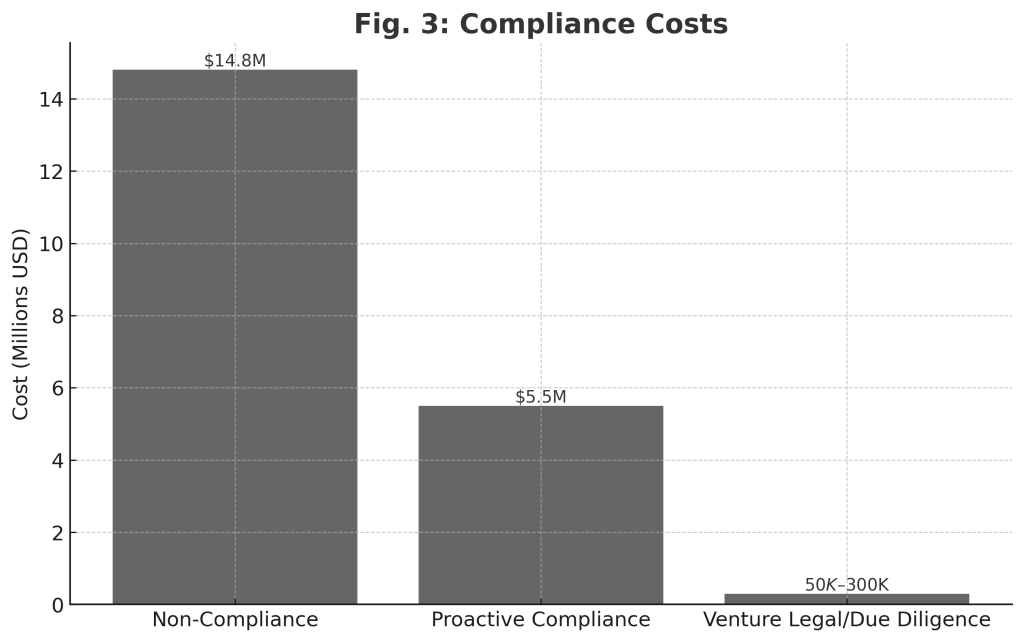
Key Data: IBM research shows the average cost of non-compliance is $14.8M, compared to $5.5M for proactive compliance. Venture deals themselves can cost $50K-$300K in legal and due diligence fees.
How to mitigate: Budget for legal and compliance early. Appoint a compliance officer or work with external experts. Think of compliance not as a burden but as insurance for scale – it protects reputation and prevents catastrophic setbacks.
Final Thoughts
Raising capital is a vote of confidence, but money alone doesn’t guarantee scale. The hidden costs of growth – operational strain, cultural drift, runaway burn, customer churn, burnout, strategic missteps, and compliance burdens – can sink even well-funded companies.
Smart founders plan beyond the bank account. By anticipating these challenges, building safeguards, and investing wisely in people and processes, you ensure that funding fuels sustainable success – not premature failure.
Van Natter Consulting Group specializes in helping startups navigate these post-funding challenges. From financial modeling to cultural strategy, we guide companies to scale with clarity and discipline.
 Book a Free Strategy Call with Van Natter Consulting Group and turn your funding into long-term growth.